

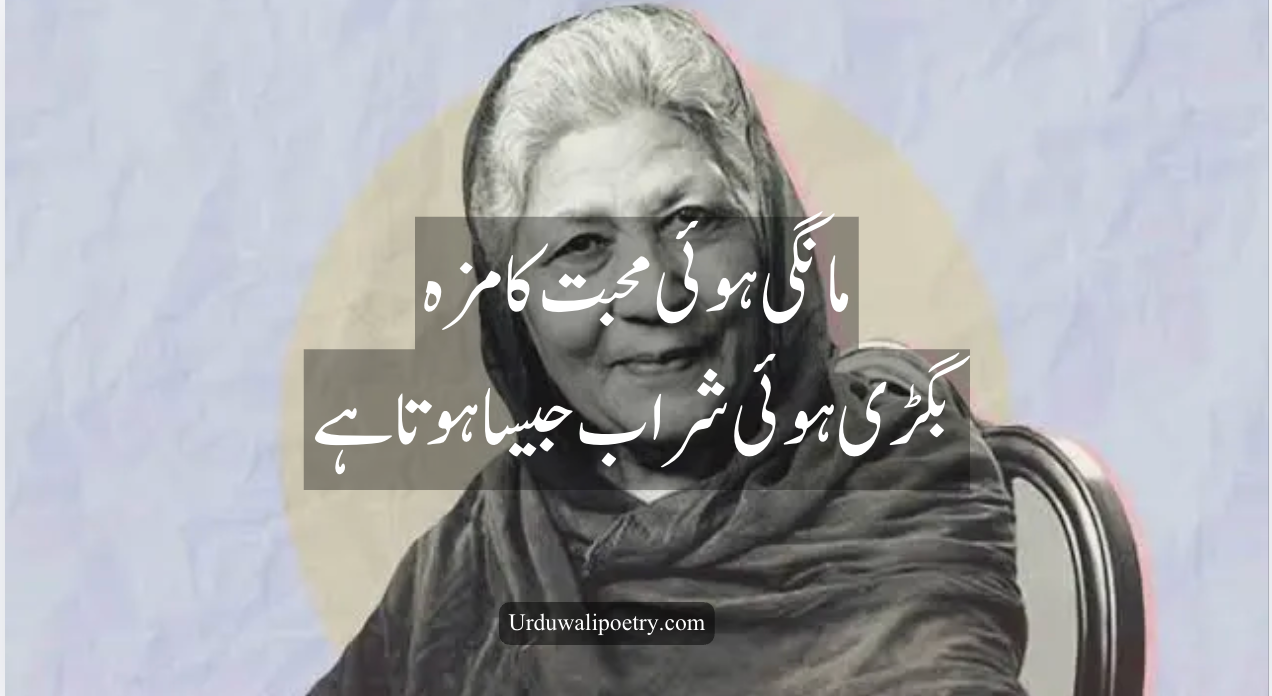
Bano Qudsia poetry is a beautiful blend of wisdom, reflection, and spiritual depth. Known primarily for her novels and intellectual prose, Bano Qudsia also expressed profound thoughts through Urdu poetry, which continues to inspire readers even today. Her writing explores the human mind, emotions, morality, and the eternal struggle between ego and humility. What makes Bano Qudsia Urdu poetry unique is its simplicity paired with deep meaning—every word carries weight and invites reflection.
Her 2 line poetry is especially popular because it conveys profound lessons in very few words, making it perfect for introspection and sharing. Themes like patience, self-awareness, love, forgiveness, and inner strength are common in her lines. Reading Bano Qudsia 2 line poetry is like engaging in a silent conversation with your soul, where each verse encourages understanding, empathy, and personal growth. Her poetry is timeless, resonating with readers across generations.
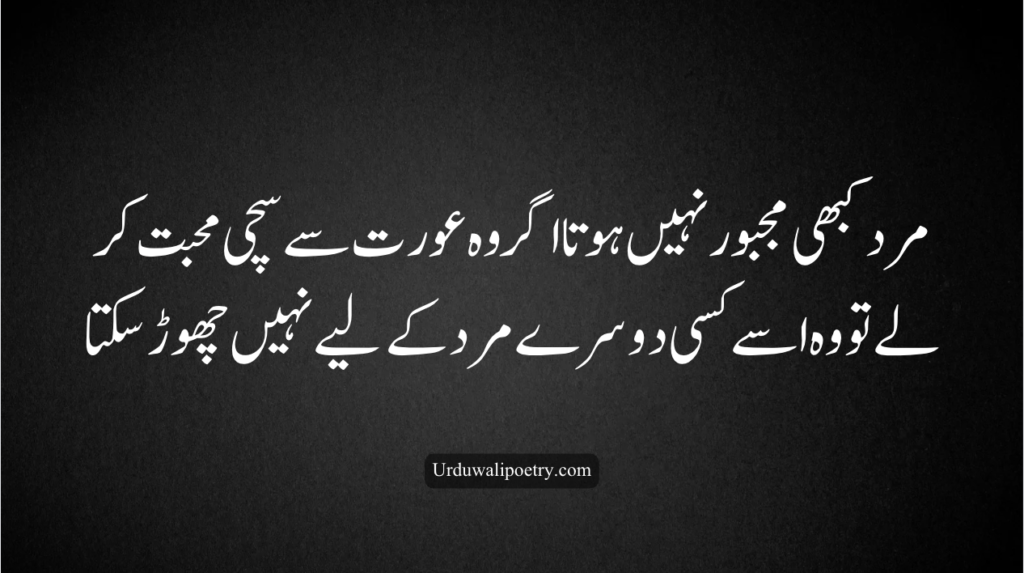
Bano Qudsia Reflections on Life and Self
Bano Qudsia’s words offer timeless wisdom. She reminds us that “True respect is what a person gives to themselves” (Raja Gidh) and that “Silence is sometimes the most effective answer” (Raja Gidh). She warns that “a person’s greatest enemy is their own ego” (Mard-e-Abresham) and teaches that “those who learn to be patient can achieve everything” (Aadhi Baat). Her insights continue with “Speaking every truth is not always wise” (Raja Gidh), “Love without awareness becomes weakness” (Mard-e-Abresham), “Refusal is also a form of discipline” (Aadhi Baat), and “Tolerance makes a person truly great” (Bano Qudsia Kay Afsanay). These reflections guide readers toward self-awareness, patience, and meaningful living, showing why her poetry and prose remain timeless.
اصل عزت وہ ہے
جو انسان خود کو دے
Asal izat woh hai
Jo insan khud ko daa
خاموشی بعض اوقات
سب سے مؤثر جواب ہوتی ہے
Khamoshi baz ukaat
Sabse mosar jawab hoti hai
انسان کا سب سے بڑا دشمن
اس کا اپنا نفس ہے
Insan ka sabse bara dushman
Uska apna nafas hai
جو صبر کرنا سیکھ لے
وہ سب کچھ پا لیتا ہے
Woh sabar karna shik la
Woh sab kuch pa leta hai
ہر سچ بول دینا
عقل مندی نہیں
Har sach bol dena
Akal mandi nahi
محبت اگر شعور نہ دے
تو کمزوری بن جاتی ہے
Muhabbat agar sahoor na da
Toh kamzori ban jati hai
انکار بھی
ایک تربیت ہے
Inkar bhi
Aik tarbiyat hai
برداشت انسان کو
بڑا بنا دیتی ہے
Bardast insan ko
Bara bana deti hai
Bano Qudsia’s Wisdom on Life
Bano Qudsia says, “Knowledge, if it does not teach humility, becomes a burden” (Raja Gidh). She reminds us, “The farther a person is from themselves, the more restless they become” (Mard-e-Abresham). “Remaining silent is not something everyone can achieve” (Aadhi Baat) and “Love demands sacrifice, not clamour” (Bano Qudsia Kay Afsanay). She adds, “Without inner reform, external change is futile” (Raja Gidh). These lines guide readers toward patience, self-awareness, and meaningful living.
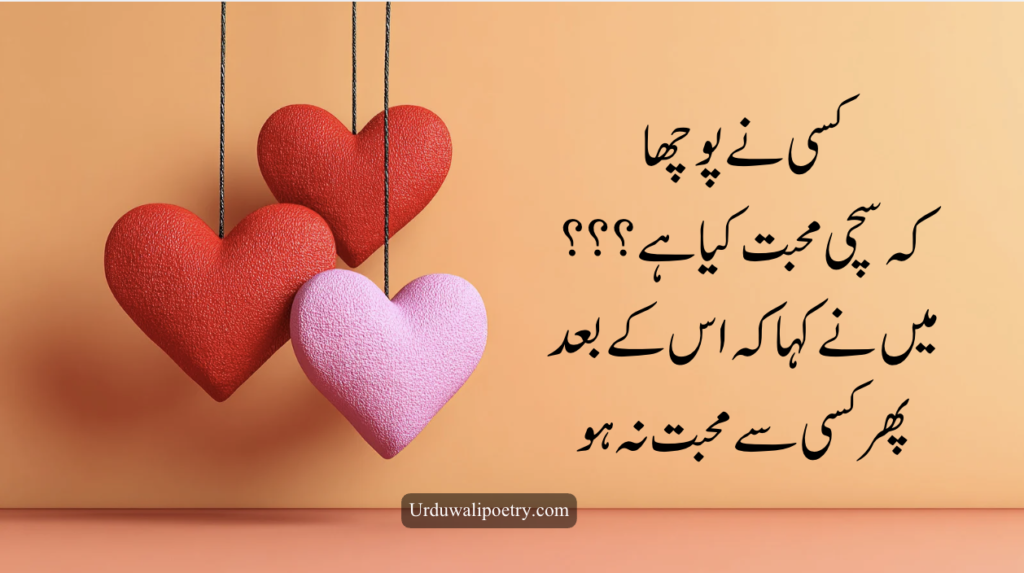
علم اگر عاجزی نہ سکھائے
تو بوجھ بن جاتا ہے
Ilam agar ajazi na sihkay
Toh bojh ban jata hai
انسان خود سے جتنا دور ہو
اتنا ہی بے چین ہوتا ہے
Insan khud se jitna dhoor ho
Itna hi bechain hota hai
خاموش رہنا
ہر کسی کے بس کی بات نہیں
Khamosh rehna
Har kisi ke bas ki bat nahi
محبت قربانی مانگتی ہے
شور نہیں
Muhabbat qurbani mangti hai
Shoor nahi
ہر خواہش پوری ہو جانا نعمت نہیں
Har khawish puri ho jana nimat nahi
ضبط انسان کو ٹوٹنے سے بچاتا ہے
Zabt insan ko tootna se bachata hai
انسان جب خود کو درست کر لے تو دنیا آسان ہو جاتی ہے
Insan jab khud ko darust karla toh duniya asan ho jati hai
اندر کی اصلاح کے بغیر باہر کی تبدیلی بے کار ہے
Andar ki aslaa ka bagair bahir ki tabdeeli bekar haa
Conclusion
Bano Qudsia poetry is timeless because it speaks to the conscience rather than emotions alone. Her short, poetic lines—drawn from novels and essays—continue to guide readers toward patience, wisdom, and self-control. For those who seek meaning beyond romance, Bano Qudsia Urdu poetry offers clarity, calm, and inner strength.
FAQs
Q1: Who is Bano Qudsia?
A: Bano Qudsia was a renowned Urdu novelist, playwright, and intellectual, known for her deep reflections on life, human nature, and spirituality.
Q2: Is Bano Qudsia known for poetry?
A: While primarily a novelist, many of her prose lines are poetic and widely shared as Bano Qudsia 2-line poetry.
Q3: What is Raja Gidh?
A: Raja Gidh is Bano Qudsia’s most famous novel, containing philosophical and poetic reflections on human behavior, love, and morality.
Q4: What are common themes in her poetry?
A: Self-awareness, patience, humility, love, discipline, inner strength, and moral reflection.
Q5: Why is Bano Qudsia’s 2-line poetry popular?
A: Because it conveys deep wisdom in very few words, making it easy to reflect on and share.
Q6: Which books are the main sources of her poetic quotes?
A: Raja Gidh, Mard-e-Abresham, Aadhi Baat, and her short stories (Bano Qudsia Kay Afsanay).
Q7: Can her poetry inspire personal growth?
A: Yes, her reflections guide readers toward inner strength, self-discipline, and meaningful living.
Q8: Are her quotes relevant today?
A: Absolutely. Her themes of patience, humility, and self-reflection remain timeless and relatable.
Q9: How is her poetry different from traditional Urdu poetry?
A: It is practical, philosophical, and focused on moral and psychological insight rather than romantic or emotional expression.
Q10: Can beginners read Bano Qudsia poetry?
A: Yes, her 2 line poetry and simple prose make it easy for readers of all ages to understand and appreciate.

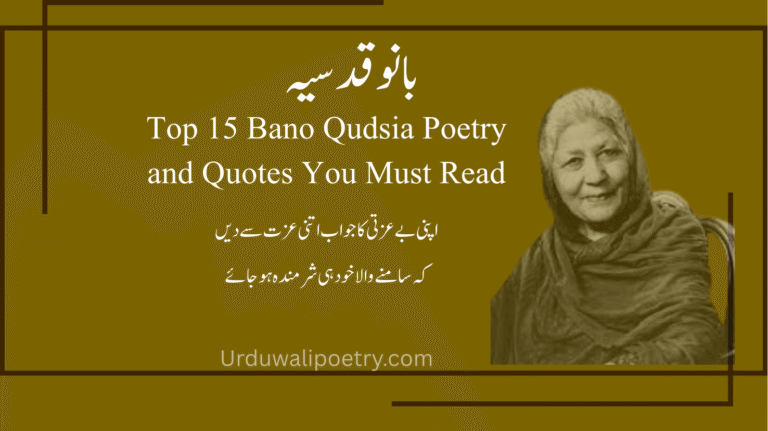
I like banu qudsia words
“Bano Qudsia’s words have a way of touching the soul that very few writers can achieve. Her wisdom and the way she explores human emotions are truly timeless. We love her work as well! Do you have a favorite quote from ‘Raja Gidh’?”