

Introduction
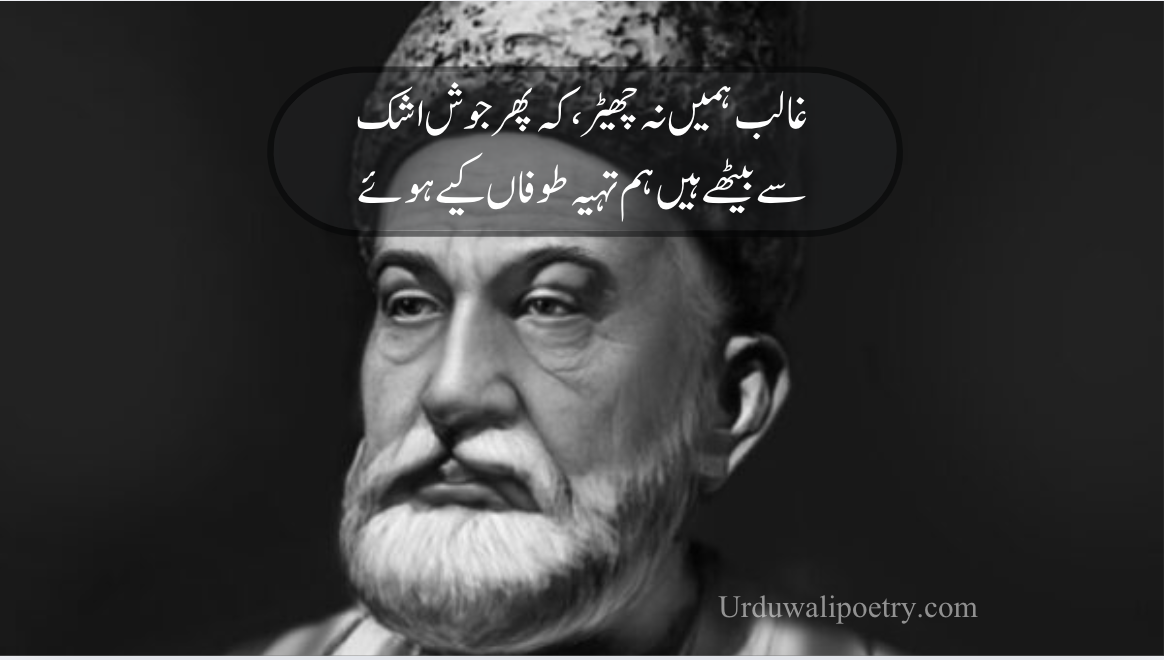
Mirza Ghalib poetry has a place in the heart of Urdu literature that is eternal, and it is positioned as a link between feeling and intellect. His lines are not just poetic impressions; they are a deep introspection on living, loving, losing, destiny, and the whole of human nature. When the readers dive into the mirza ghalib poetry in urdu, they come across feelings that still resonate deeply in today’s world as they did in the past, even after many centuries. His expressions have the very rare skill to reach the inner self of a person by merging philosophical profundity with emotional fervor, which very clearly places him among the greatest poets of all time.
From heartbreak to existential inquiry, mirza ghalib poetry captures the inner struggles of the human soul like no other classical poet. His ghazals are rich with symbolism and thought, inviting readers to pause, reflect, and interpret. This depth allows every generation to find new meanings within the same couplets, keeping his work eternally fresh and relevant.
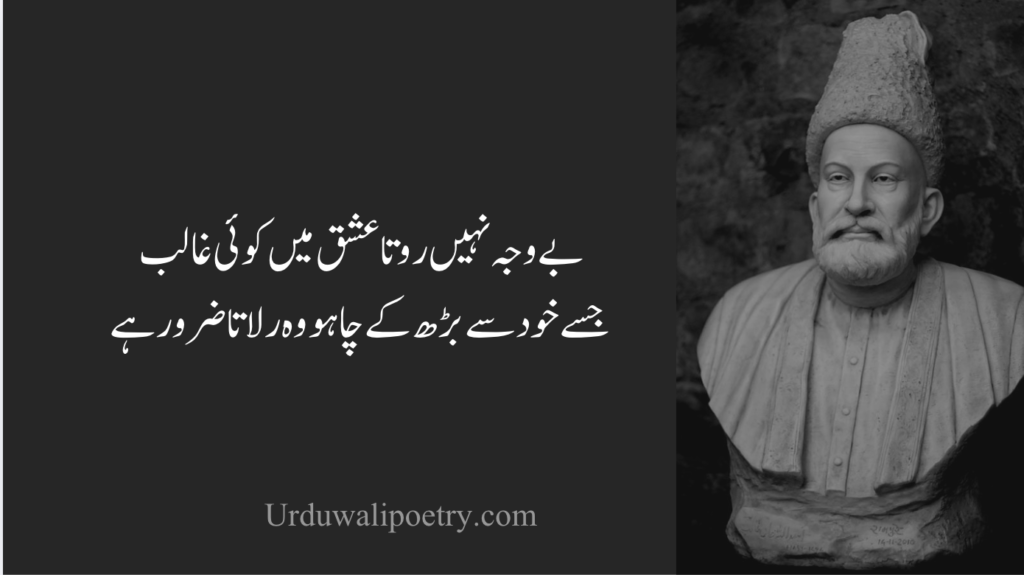
Even today, people turn to mirza ghalib poetry when words fail to express sorrow, longing, or inner confusion. His verses are quoted in literature, media, dramas, and everyday conversations, proving their lasting cultural impact. Understanding who Ghalib Mirza was is essential for anyone who wishes to explore the true depth of classical Urdu poetry, as his work continues to guide readers through the emotional and philosophical realities of life.
12 Best Mirza Ghalib Poetry Couplets
ہزاروں خواہشیں ایسی کہ ہر خواہش پہ دم نکلے
بہت نکلے مرے ارمان لیکن پھر بھی کم نکلے
Hazāron khwāhishen aisī ke har khwāhish pe dam niklay
Bohat niklay meray armān lekin phir bhī kam niklay
دل ہی تو ہے نہ سنگ و خشت، درد سے بھر نہ آئے کیوں
روئیں گے ہم ہزار بار، کوئی ہمیں ستائے کیوں
Dil hī to hai na sang-o-khisht, dard se bhar na aaye kyūn
Royen ge hum hazār bār, koī humein satāye kyūn
ہم کو معلوم ہے جنت کی حقیقت لیکن
دل کے خوش رکھنے کو غالبؔ یہ خیال اچھا ہے
Hum ko malum hai jannat ki haqiqat lekin
Dil ke khush rakhne ko Ghalib yeh khayal acha hai
یہ نہ تھی ہماری قسمت کہ وصالِ یار ہوتا
اگر اور جیتے رہتے یہی انتظار ہوتا
Yeh na thi hamarī qismat ke wisal-e-yar hota
Agar aur jeetay rehtay yahī intezār hotā
دلِ ناداں تجھے ہوا کیا ہے
آخر اس درد کی دوا کیا ہے
Dil-e-nadan tujhe hua kya hai
Akhir is dard ki dawa kya hai
رگوں میں دوڑتے پھرنے کے ہم نہیں قائل
جب آنکھ ہی سے نہ ٹپکا تو پھر لہو کیا ہے
Ragon mein daurtay phirnay ke hum nahin qail
Jab aankh hi se na tapka to phir lahu kya hai
ہم وہاں ہیں جہاں سے ہم کو بھی
کچھ ہماری خبر نہیں آتی
Hum wahan hain jahan se hum ko bhi
Kuch hamari khabar nahin ati
These lines by Mirza Ghalib are a perfect mirror to the human desire’s complexity, emotional vulnerability, and existential awareness. Ghalib opens the discussion with the idea that human wishes are infinite—so great that every wish seems to be life-draining, and even if a lot of the desires are satisfied, the heart still feels not content. He puts it this way: the heart is not stone or brick; hence, it is normal for it to be full of sufferings and sorrow when it is hurt. Then comes the philosophical realism in Ghalib’s poetry, where he concedes that though he sees the real heaven as an earth, he uses the belief to ease the restless heart. Ghalib has no choice but to face fate’s harshness, admitting that the beloved is the one he has never been destined to be with, and even if life were long, it would still be a waiting period. He tenderly addresses his own heart that has so far been innocent, and he asks what the source of its pain is and whether there is any true healing for such deep emotional wounds. He turns down the overt show of feelings, claiming that genuine pain needs to be expressed through tears pouring out of the eyes and not just circulating undetected within the veins. At last, Ghalib depicts a very severe experience of losing oneself when one is so caught up in his internal conflict that even self-consciousness has disappeared and he is left without any connection to his own being. These verses, in sum, are a testimony to Ghalib’s extraordinary talent in grading between love, sorrow, fate, and self-examination, a timeless poetry that still speaks to the readers of different generations.
نقش فریادی ہے کس کی شوخیٔ تحریر کا
کاغذی ہے پیرہن ہر پیکرِ تصویر کا
Naqsh faryadi hai kis ki shokhi-e-tehrir ka
Kaghazi hai pairahan har paikar-e-tasvir ka
دل سے رخصت ہوئی کوئی خواہش
گر یہ کچھ بے سبب نہیں آتا
Dil se rukhsat hui koi khwahish
Gar yeh kuch be-sabab nahin ata
کہتے ہیں جنت کا وعدہ مجھ سے
مگر دل کو میرے اعتبار نہیں آتا
Kehte hain jannat ka wada mujh se
Magar dil ko meray aitbar nahin ata
نہ تھا کچھ تو خدا تھا کچھ نہ ہوتا تو خدا ہوتا
ڈبویا مجھ کو ہونے نے، نہ ہوتا میں تو کیا ہوتا
Na tha kuch toh khuda tha kuch na hota toh khuda hota
Daboya mujko hona na nah hota mein toh kiya hota
دکھ دے کر سوال کرتے ہو
تم بھی غالب کمال کرتے ہو
Dhuk dekar sawal karta ho
Tum bhi Ghalib kamal karte ho
کوئی نہیں یاد کرتا وفا کرنے والوں کو غالب
میری مانو بے وفا ہو جاؤ زمانہ یاد رکھے گا
Koi nahi yad karta wafa karna walo ko. Ghalib.
Meri mano bewafa ho jao zamana yad rakhega.
In these verses, Mirza Ghalib contemplates the brevity of Creation, the silent leaving of human wants, and the battle of faith in promised pleasures like paradise. He proclaims that the first stage of misery is actually creation since to be alive is to suffer and have unfulfilled desires. Ghalib takes emotional cruelty to task, pointing out the paradox of inflicting pain and then asking for a reason. He further brings out a bitter aspect of society where people often remember and talk about betrayal but forget loyalty. All these couples of lines expose Ghalib’s exceptional perception of man’s character, religiousness, and the bitter realities of life, which he did in a superbly simple yet profound manner.
Conclusion:
Mirza Ghalib poetry is not confined to a specific era; it transcends time, culture, and generations. His poetic genius lies in expressing complex emotions with simplicity and intellectual depth. Whether it is love, despair, fate, or spirituality, mirza ghalib best poetry in urdu continues to resonate with readers across the world.
Understanding who Ghalib Mirza is helps us realize why his work remains unmatched. His poetry reflects human vulnerability and strength at the same time. Even today, Mirza Ghalib poetry in Urdu is recited, analyzed, and admired as a guiding light for poetic excellence. His legacy will forever remain alive in the hearts of poetry lovers.
FAQs
Who is Ghalib Mirza?
Mirza Asadullah Khan Ghalib was a legendary Urdu and Persian poet of the 19th century, known for his philosophical and emotional poetry.
Why is Mirza Ghalib poetry so famous?
Because of its deep meanings, intellectual richness, and timeless themes of love, life, and destiny.
What is unique about Mirza Ghalib poetry in Urdu?
Its blend of philosophy, emotional depth, and powerful expression makes it unique.
Is Mirza Ghalib poetry relevant today?
Yes, his poetry remains highly relevant and relatable even in modern times.
Which themes are common in Mirza Ghalib poetry?
Love, pain, fate, existentialism, sorrow, and spirituality.
What makes Mirza Ghalib best poetry in Urdu timeless?
It’s universal emotions and intellectual insight that connect with every generation.
Did Mirza Ghalib write only in Urdu?
No, he also wrote extensively in Persian.
Why do people quote Mirza Ghalib so often?
Because his couplets perfectly express deep emotions in few words.
Is Mirza Ghalib’s poetry difficult to understand?
Some verses are philosophical, but their emotional impact is easily felt.
Where can I read Mirza Ghalib poetry in Urdu?
In classical poetry books, literary websites, and Urdu poetry platforms.

Sad poetry
Best poetry
thanks a lot
🧡🧡💔💔💔💔❤️❤️🌹🌹🌹🌹🌹🌹🌹🌹🌹🌹🌹🌹🌹🌹🌹🌹🌹🌹🌹🌹🌹🌹🌹🌹🌹🌹🌹🌹🌹🌹🌹🌹🌹🌹🌹🌹🌹🌹🌹🌹🌹🌹🌹🌹🌹🌹🌹🌹🌹🌹🌹🌹🌹🌹🌹🌹🌹🌹🌹🌹🌹🌹
This is a topic close to my heart cheers, where are your contact details though?
It’s wonderful to hear that this topic resonates with you! I’m glad it touched your heart.
You can find all my contact details and a way to reach out directly right here: https://urduwalipoetry.com/contact-urduwalipoetry/.
I look forward to hearing from you!
Best regards, Yashwa Arif
Do you mind if I quote a few of your articles as long as I provide credit and sources back to your weblog? My blog is in the very same area of interest as yours and my visitors would certainly benefit from a lot of the information you present here. Please let me know if this okay with you. Cheers!
Absolutely—thank you for asking so thoughtfully!
I really appreciate your interest in the articles, and I’m glad you feel your readers would benefit from them. You’re more than welcome to quote parts of my content as long as proper credit is given and a clear source link back to the original post is included.
Best of luck with your blog, and thanks again for the kind words. Cheers!
Very interesting topic, appreciate it for posting. “If you have both feet planted on level ground, then the university has failed you.” by Robert F. Goheen.
Thank you for appreciating the post. That quote really says a lot—education isn’t just about staying comfortable, it’s about being challenged, growing, and learning to see the world differently. I’m glad you shared this thoughtful perspective.
Nice blog here! Also your site loads up very fast! What host are you using? Can I get your affiliate link to your host? I wish my web site loaded up as fast as yours lol
“Thank you! I am currently using Hostinger’s Premium hosting and plan to upgrade to their Cloud Web Hosting soon. For the best speed and performance, I highly recommend their Cloud plan.
If you purchase through my affiliate link below, you will also get an additional discount on your order:
Click here to get Hostinger Cloud Hosting with a Discount
Note: This is my affiliate link, which helps support the site at no extra cost to you.”
I enjoy what you guys are usually up too. Such clever work and exposure! Keep up the awesome works guys I’ve incorporated you guys to my blogroll.
“Thank you so much! We really appreciate the support and are honored to be added to your blogroll. We’ll keep working hard to bring you more clever and high-quality content!”
Thank you for the auspicious writeup. It in fact was a amusement account it. Look advanced to more added agreeable from you! However, how can we communicate?
“Thank you! I’m glad you enjoyed the post. To communicate with me, simply click the ‘Contact’ button at the top of the website. You can leave your details and message there, and I’ll get back to you soon!”
Can I just say what a relief to find someone who actually knows what theyre talking about on the internet. You definitely know how to bring an issue to light and make it important. More people need to read this and understand this side of the story. I cant believe youre not more popular because you definitely have the gift.
“Thank you! My goal is to bring these important issues to light, and I’m happy you found the content valuable. Thanks for reading and for the encouragement!”
I’ll immediately grab your rss feed as I can’t find your email subscription link or e-newsletter service. Do you have any? Please let me know so that I could subscribe. Thanks.
Thank you so much for your interest! I’m glad you want to stay connected with Urdu Wali Poetry.
Currently, I don’t have an email newsletter, but I share all my latest poetry and updates on my official WhatsApp Channel. It’s the easiest way to never miss a post!
Join us here: 👉 https://whatsapp.com/channel/0029Vb7bV5L1t90VZGISVz10
Looking forward to seeing you there. Thanks again for the support!”
you might have a fantastic weblog here! would you like to make some invite posts on my weblog?