

Introduction
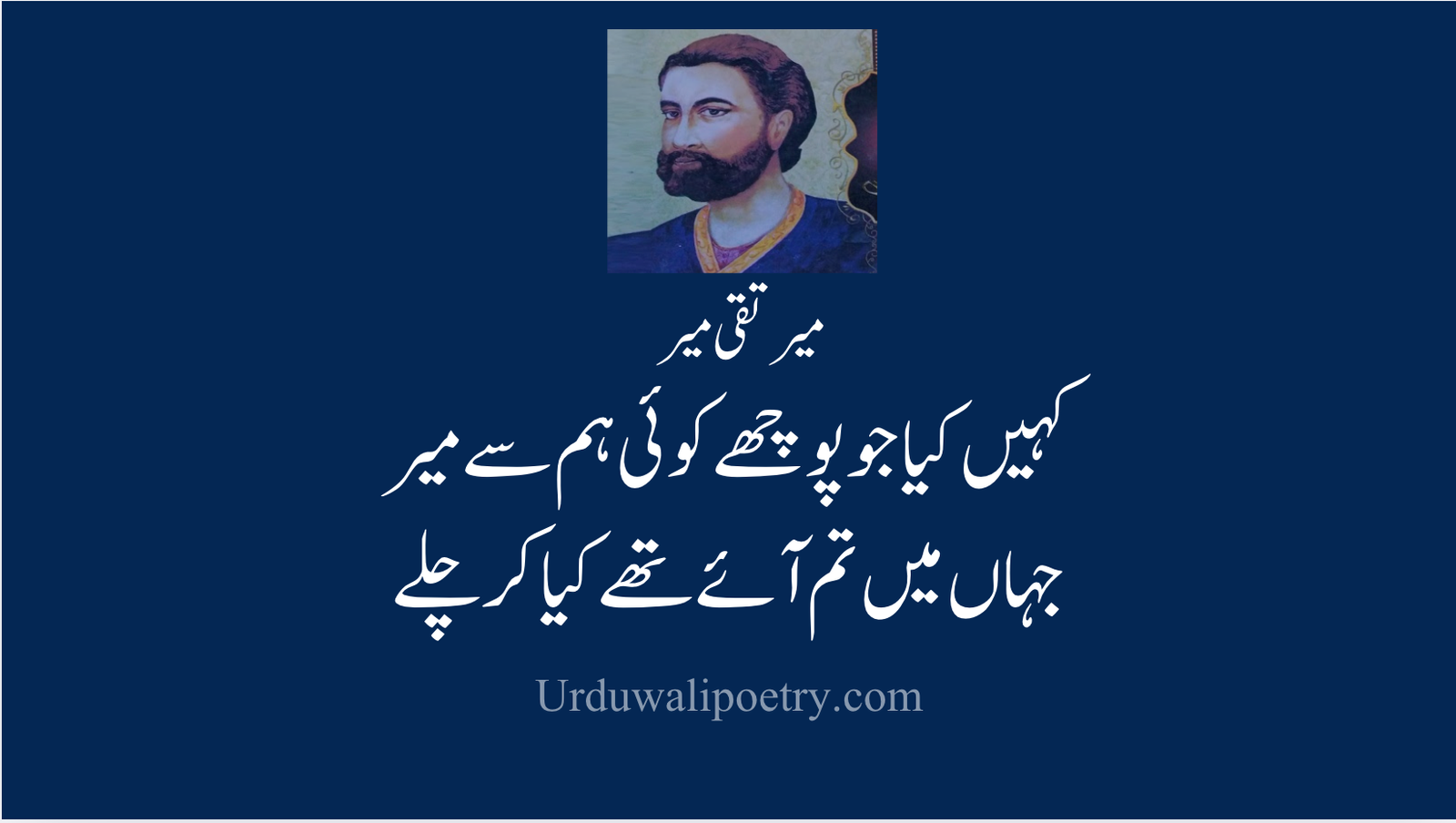
Mir Taqi Mir is one of the most influential and the greatest poets in Urdu literature. He is commonly referred to as Khuda-e-Sukhan (God of Poetry) due to the emotional essence, uncomplicatedness and facts embedded in his poems. Mir Taqi Mir poetry is not only poetry but also the poem of love, pain, separation and the weak human heart. His poetry targets the soul and makes the readers experience that their emotions are being described using words.
The poetic literature of Mir Taqi Mir in the Urdu language has its roots in human suffering, and this encompasses the suffering of love and loss. Mir is strong through simplicity, unlike the poets who make use of heavy imagery. His words are not difficult to read but at the same time very touching. He has written of shattered hearts, loneliness, devotion, and emotional bruises, which seem eternal. Mir Taqi Mir poetry still talks to readers of all generations even centuries later.
The most amazing thing about Mir Taqi Mir poetry is the personal touch that is taken. His life was full of sufferings, and they are evident in his poetry. That is why his poems are true-to-life, sincere, and emotional. Whenever one reads the Mir Taqi Mir poetry in Urdu, they can easily see their own sufferings reflected in his couplet.
Mir Taqi Mir occupies a special place in classical Urdu poetry. His ghazals are not only literary masterpieces but also sentimental occurrences. It can be love, sorrow, separation, or existential despair, but Mir depicts all the tints of human emotion very beautifully. That is why the poetry of Mir Taqi Mir is still one of the foundations of Urdu literature and is read, shared, and appreciated even nowadays.
خدا کو کام تو سونپے ہیں میں نے سب لیکن
رہے ہے خوف مجھے واں کی بے نیازی کا
Khuda ko kam toh sonpa hai maine sab lakin
Rahy hai khoof mujhe waa ki banaizi ka
میرے مالک نے مرے حق میں یہ احسان کیا
خاک ناچیز تھا میں سو مجھے انسان کیا
Mera malik na mera haq mein yeh asan kiya
Khaak na cheez tha mein so mujhe insan kiya
وہ مجھ کو بھولے ہیں تو تجھ پہ بھی لازم ہے
میر خاک ڈال، آگ لگا، نام نہ لے، یاد نہ کر
Woh mujhko bhoola hai toh tujpe bhi lazim hai
Mir khaak dal aag lga nam na la yaad na kar
ہستی اپنی حباب کی سی ہے
یہ نمائش سراب کی سی ہے
Hasti apni habab ki si hai
Yeh namaish sarab ki si ha
وہ آئے بزم میں اتنا تو میر نے دیکھا
پھر اس کے بعد چراغوں میں روشنی نہ رہی
Woh ay bazam mein itna toh meer na dehka
Phir uske baad charagon mein roshni na rahi
میر بندوں سے کام کب نکلا
مانگنا ہے جو کچھ خدا سے مانگ
Mir bando sa kaam kab nikla
Mangna hai jo kuch khuda se mang
پیدا کہاں ہیں ایسے پراگندہ طبع لوگ
افسوس تم کو میرؔ سے صحبت نہیں رہی
Paida kahan hai aisa para ganda taba log
Afsoos tum ko mir se sobat nahi rahi
درد دل کے واسطے پیدا کیا
آدمی کو تھا کہ تماشا کیا
Dard-e-dil ka wasta paida kiya
Admi ko tha ka tamsha kiya
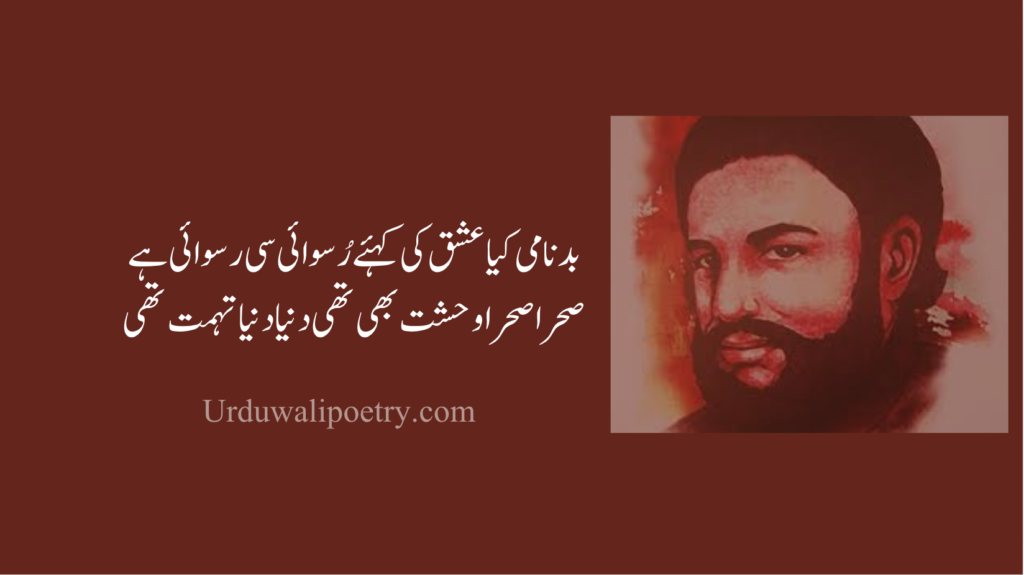
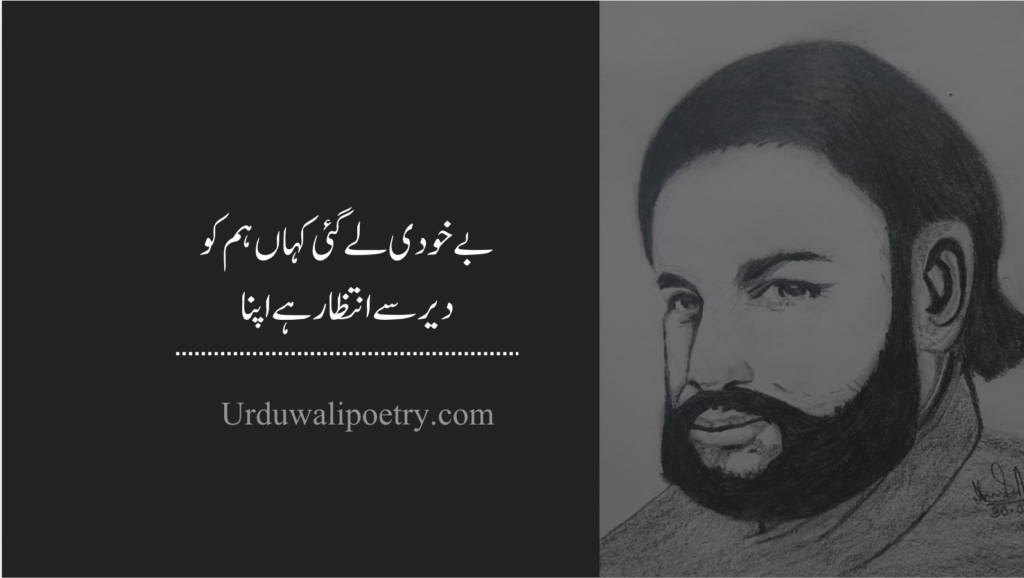
Here, in these verses, faith, love, pain, and the instability of human life are all combined into one emotional situation by Mir Taqi Mir. He talks of leaving all his matters to God, but he is sincere that it is the fear of the indifference of God that is so human. Meanwhile, he shows extreme gratitude to God and his forgiveness in making him out of the dust that is nothing. The agony of love is so great that forgetting by the love object would seem to Mir a desire to be totally erased—of memory, name, and self. He considers life to be a temporary bubble and the worldly beauty to be a mere illusion, underlining the impermanence of everything. As the beloved comes to the party, her presence surpasses all the lamps, demonstrating the overwhelming power of beauty and love. Lastly, Mir teaches an eternal truth about religion: that you have to trust in people generally and that only God deserves to be looked upon as a source of hope and supplication.
دل سے رخصت ہوئی کوئی خواہش
گر یہ کچھ بے سبب نہیں آتا
Dil se rukhsat hoi koi khawish
Griya kuch besabab nahi ata
ابتدائے عشق ہے روتا ہے کیا
آگے آگے دیکھئے ہوتا ہے کیا
Ibitay ishaq ha rota ha kiya
Aga aga, dehkiya hota ha kiya
عشق میں جی کو صبر و تاب کہاں
اس سے آنکھیں لڑیں تو خواب کہاں
Ishaq mein g ko sabar-o-taab kahan
Is sa ankhen latii toh khawab kahan
اب کر کے فراموش تو ناشاد کرو گے
پر ہم جو نہ ہوں گے تو بہت یاد کرو گے
Ab karka farmosh toh nashad karo ga
Par hum jo na hoo ga toh boht yad karo ga
ہم ہوئے، تم ہوئے، کہ میر ہوئے
اس کی زلفوں کے سب اسیر ہوئے
Hum hua tum hua ka mir hua
Uski zulfoo ka sab aseer hua
غم رہا جب تک کہ دم میں دم رہا
دم کے جانے کا نہایت ہی غم رہا
Gum reh jab tak ka dam mein dam reh
Dam ka jana ka nahayat hi gum reh
سرسری تم جہاں سے گزرے
ورنہ ہر جا جہانِ دیگر تھا
Sarsari tum jahan se guzra
Warna har ja jahan dikar tha
Mir Taqi Mir has so perfectly expressed the emotional path of love, loss and the vulnerability of human beings in these couplets. He starts by implying that a feeling leaves the heart without a murmur and tears do not flow without cause, so to speak, and are an indication that something very important has occurred in the soul. Love, he says, is just beginning in the place that one is complaining of tears; the true trials and tribulations are yet to be had. Mir then says that there is no patience and peace in true love, and once the eyes meet with the gaze of the beloved, then sleep and dreams are completely forgotten. He also cautions the beloved that it may be easy to forget him, but his absence will come back to haunt and cause suffering of memories. The force of love is presented as universal, and it gets everybody, be it you, me, or even Mir himself, into a trap of the enticing hair of the beloved. Lastly, Mir looks back on life and mourns that grief will exist as long as he breathes, but the biggest grief comes with the adverse leave of life itself, where existence is inseparably related to pain.
Conclusion
Mir Taqi Mir is not a poet only; he is the mouthpiece of broken hearts and silent misery. The emotions portrayed in Mir Taqi Mir poetry in Urdu are so touching that the readers can immediately relate with what they are saying. We learn through his poetry that pain, love, and loss are the experiences that touch us as humans. Mir Taqi Mir poems are still relevant even today since feelings do not get old.
Mir was able to turn the personal sorrow into eternal art through simplicity and sincerity. Mir Taqi Mir remains a timeless icon of emotional truth in Urdu literature, as his poems are known to console people who are in pain. Any Mir Taqi Mir poetry is not read but felt by anyone who reads it.
Frequently Asked Questions (FAQs) About Mir Taqi Mir Poetry
What is Mir Taqi Mir famous for?
Mir Taqi Mir is famous for his ghazals and couplets that express intense emotions with simple yet powerful language. His poetry is especially admired for its portrayal of heartbreak and inner sorrow.
Is Mir Taqi Mir poetry still relevant today?
Yes, Mir Taqi Mir poetry remains highly relevant today because human emotions like love, loss, and sorrow are timeless. His verses still deeply connect with modern readers.
In which language did Mir Taqi Mir write poetry?
Mir Taqi Mir primarily wrote poetry in Urdu, contributing significantly to the classical tradition of Urdu ghazal.
What makes Mir Taqi Mir poetry unique?
The simplicity, emotional honesty, and depth of feeling make Mir Taqi Mir poetry unique. His verses feel personal, as if he is speaking directly from a wounded heart.
Where can I read Mir Taqi Mir poetry in Urdu?
Mir Taqi Mir poetry in Urdu can be found in classical poetry books, literary websites, and online Urdu poetry platforms that preserve classical literature.
Who is Mir Taqi Mir often called, and why?
Mir Taqi Mir is commonly referred to as Khuda-e-Sukhan (God of Poetry). He earned this title due to the emotional essence, uncomplicatedness, and profound facts embedded in his poems. His poetry is essentially a deep expression of love, pain, separation, and the weak human heart. It is admired because it targets the soul and makes readers feel that their own emotions are being perfectly described.
What makes Mir Taqi Mir’s poetry unique compared to other poets?
The uniqueness of Mir Taqi Mir’s poetry lies in its powerful simplicity and the deep personal touch it carries. Unlike poets who rely on heavy imagery, Mir is strong through his direct, uncomplicated words. His verses are true-to-life, sincere, and emotional because his own life was full of sufferings, which are evident in his poetry. This personal suffering allows readers to easily see their own struggles reflected in his couplets.
What is Mir Taqi Mir famous for?
Mir Taqi Mir is famous for his ghazals and couplets that express intense emotions with simple yet powerful language. His poetry is especially admired for its portrayal of heartbreak and inner sorrow.
Is Mir Taqi Mir poetry still relevant today?
Yes, Mir Taqi Mir poetry remains highly relevant today because human emotions like love, loss, and sorrow are timeless. His verses still deeply connect with modern readers.
In which language did Mir Taqi Mir write poetry?
Mir Taqi Mir primarily wrote poetry in Urdu, contributing significantly to the classical tradition of Urdu ghazal.

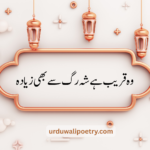
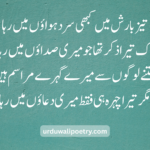
موت سے پہلے بھی اک اور موت ہوتی ہیں دیکھو زرا تم کسی اپنے سے جدا ہو کر۔💔🥺
*وہ تمہارے دل کی حالت سے خوب واقف ہے، تم بس ہر پریشانی اللہ کو بتا کر بے فکر ہو جایا کرو۔ اگر ایمان مضبوط ہو تو ہر چیز خود بخود مل جاتی ہے۔ ❤️*
Agree 👍💯
Bilkul agree 👍💯
Allah dilon ke haal se khoob waqif hai. Jab hum apni har pareshani Allah ke hawale kar dete hain, to dil ko sukoon mil jata hai. Iman mazboot ho to rehmat khud raaste bana leti hai ❤️
You made some clear points there. I did a search on the topic and found most people will approve with your website.
“I’m glad you found the points clear and helpful! It’s great to know that others in the field agree with our perspective. Thank you for taking the time to look into this and for sharing your feedback. Stay tuned for more!”
Whats up very nice site!! Guy .. Excellent .. Wonderful .. I will bookmark your website and take the feeds also…I’m satisfied to seek out so many useful information here in the put up, we’d like develop more techniques in this regard, thank you for sharing.
“What’s up! Thanks for the wonderful feedback. I’m glad you’re satisfied with the content here. Following our feeds is the best way to stay updated, as we have a lot more high-quality material coming your way soon. Appreciate the support!”
I like the valuable info you provide in your articles. I will bookmark your blog and check again here frequently. I’m quite certain I will learn lots of new stuff right here! Best of luck for the next!
“Thanks for the support! I’m glad you’re finding the content useful. We have some great articles lined up for the future, so checking back frequently will definitely be worth your while. Best of luck!”
Today, while I was at work, my sister stole my iPad and tested to see if it can survive a thirty foot drop, just so she can be a youtube sensation. My iPad is now broken and she has 83 views. I know this is entirely off topic but I had to share it with someone!
Oh my goodness! I am so sorry to hear about your iPad—that sounds like a nightmare! 83 views definitely doesn’t seem worth a 30-foot drop. Sometimes we just need a place to vent, and I’m glad you chose this blog to share your story. Hopefully, your next iPad stays far away from your sister’s ‘stunt’ ideas!